

For generations, the traditional ballet pointe shoe was made in a pale pink satin. The color was intended to visually extend the classical dancer's leg and create a continuous line between shoe, tights and skin. But for dancers with darker skin, that Ballet Pink skin tone was never their "nude."
In the early 1970s, Dance Theatre of Harlem began customizing tights, pointe shoes and ribbons in brown shades for its dancers. Decades later, London-based Ballet Black worked with Freed of London to develop pointe shoes in Ballet Bronze and Ballet Brown.
We carry all three colors in our library and shop today.
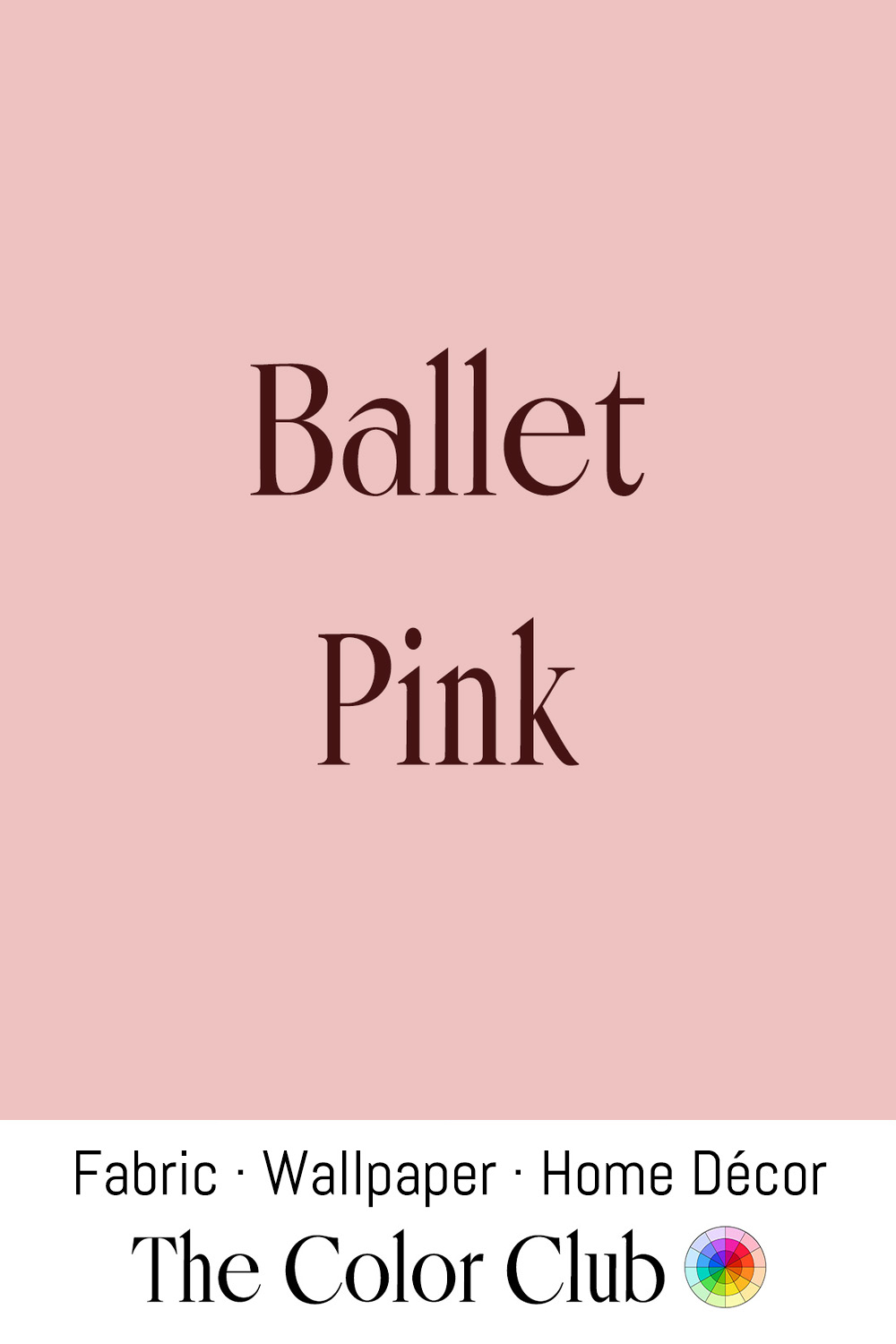


But the world of Skin Tones for designers and makers extends beyond ballet. Skin-toned fabrics can serve a range of uses: a tonal range of bridesmaid dresses, a quilted portrait made from many different pieces, a soft doll's body, or even a room wallpapered in these warm tonalities.
What other uses for Skin Tones can you think of, and what could you create with skin-toned fabrics or wallpapers?
Designing our Skin Tones Collection
To inspire and to serve the demand, we built out a dedicated Skin Tones Collection: 85 shades, organized into five families: Vivid, Rosy, Copper, Muted, and Indigo, each one a harmonious gradient, light to dark, pale to saturated, with colors that run from the faintest alabaster all the way to an almost mythical blue-black.
Meet the five families
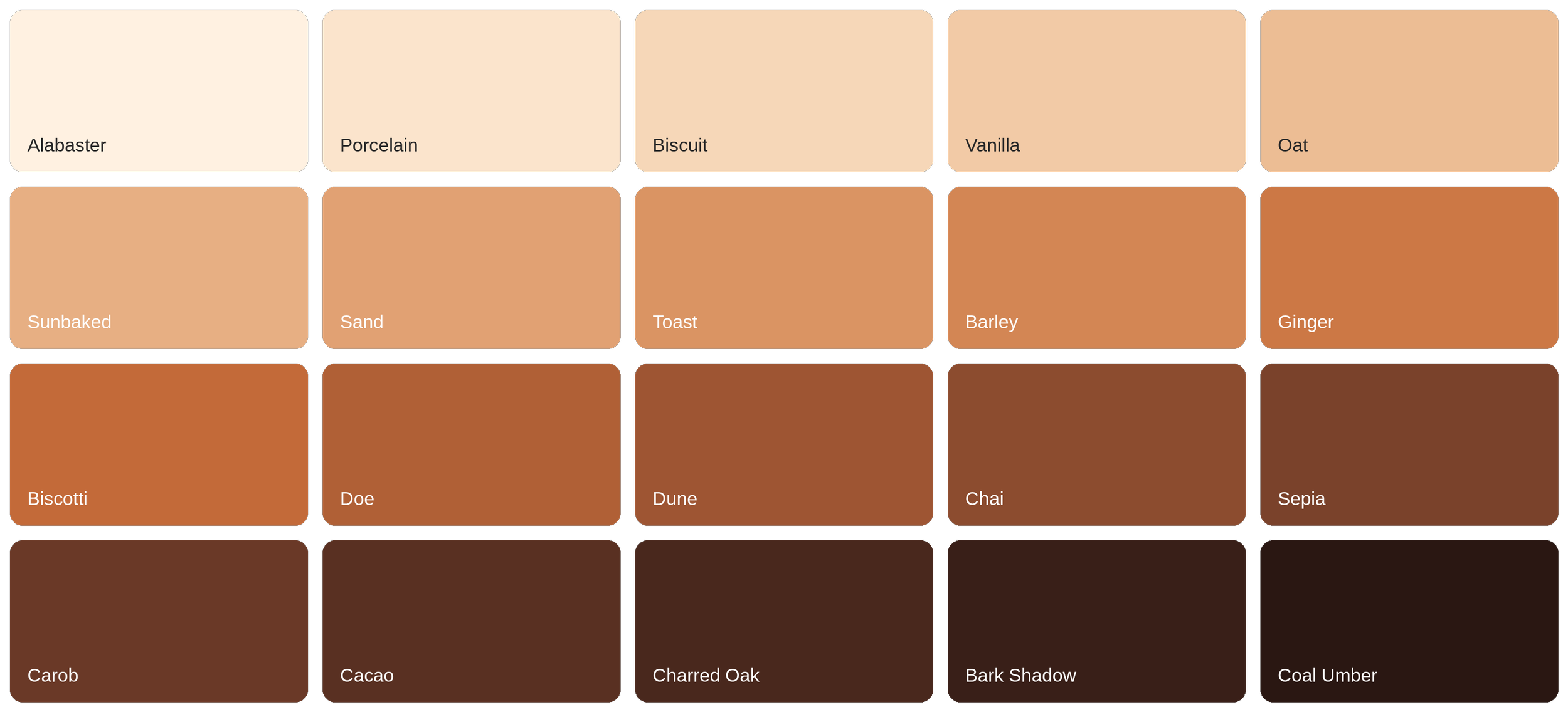
VIVID is golden sun on skin, a bright amber undertone, fresh, warm, lively and awake.
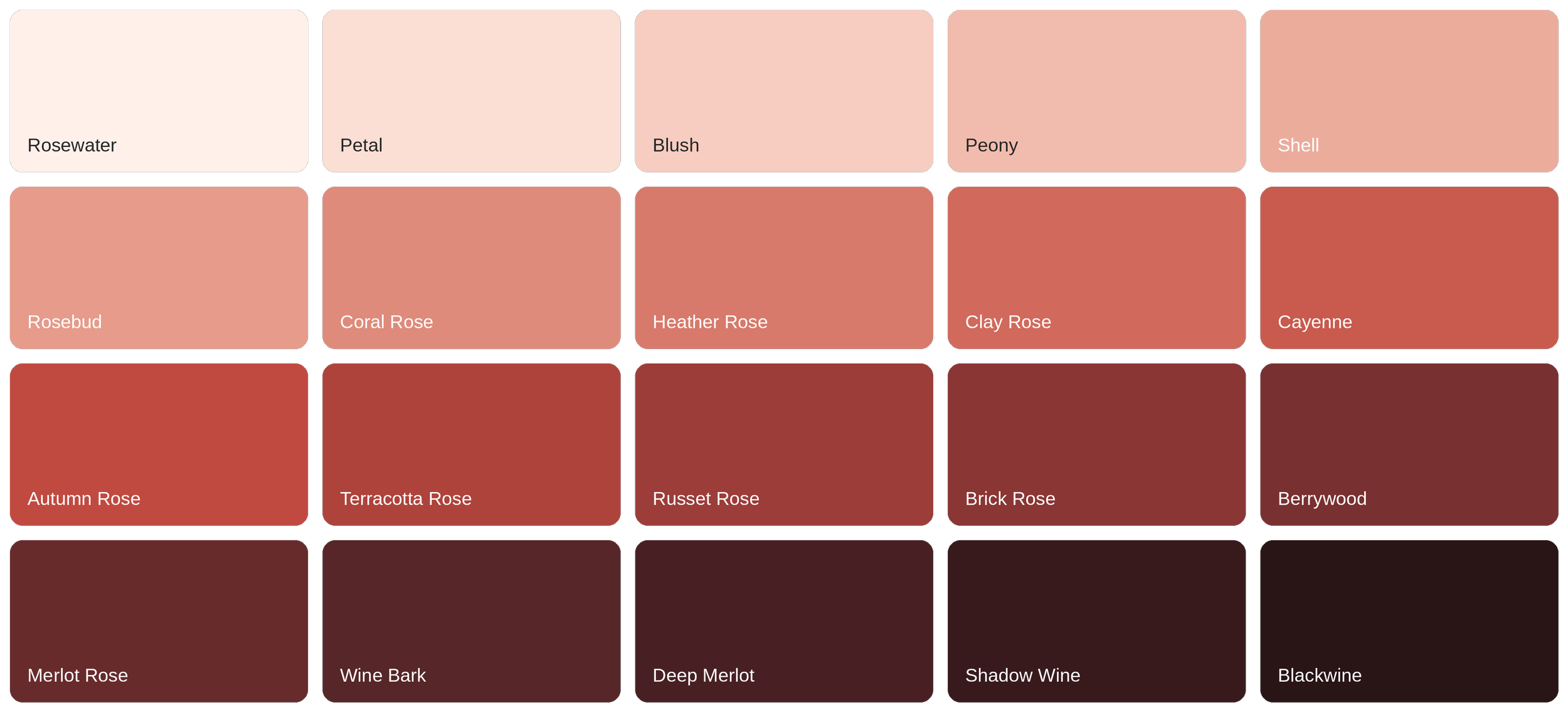
ROSY tips toward blush, a rose-red undertone that ranges from the faintest petal pink to a deep dark wine-black.
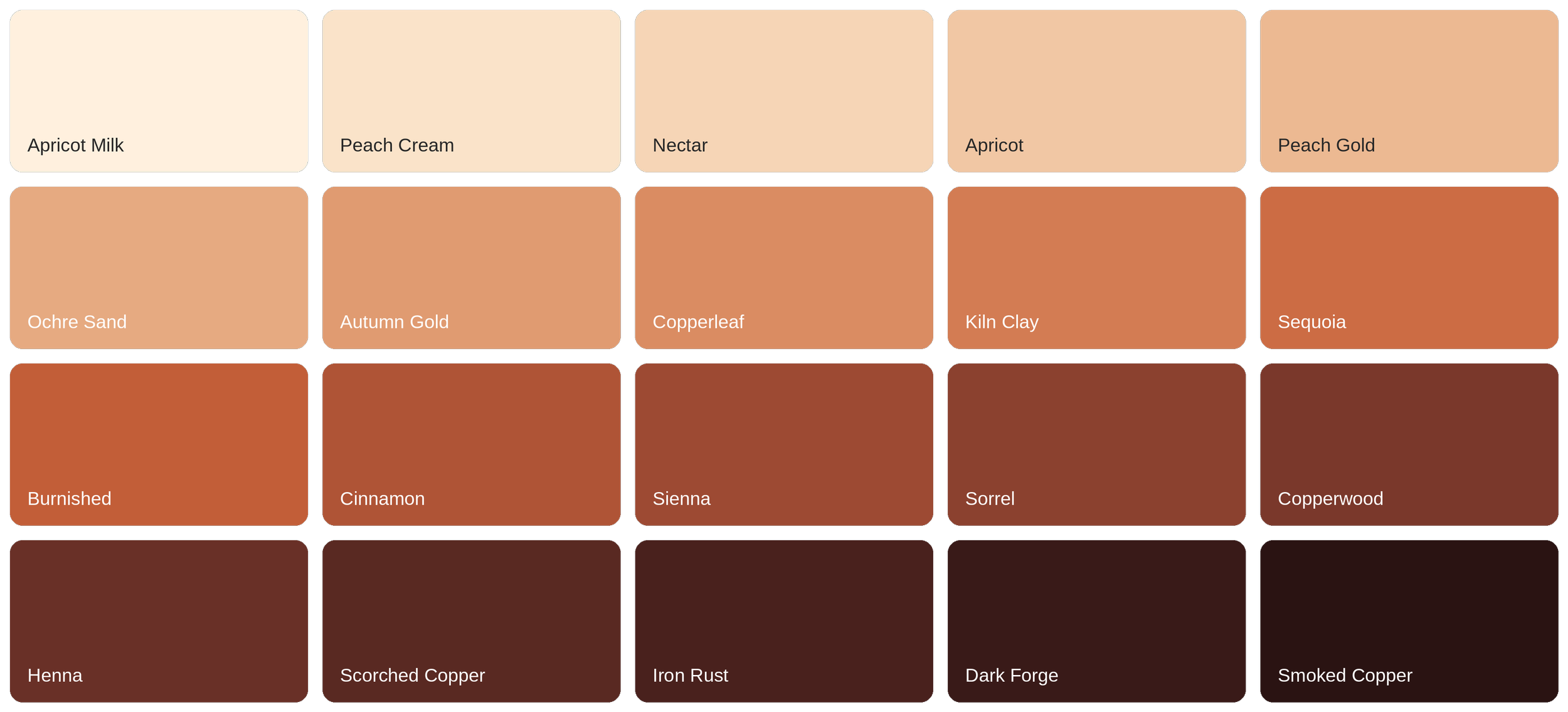
COPPER leans into rusty orange and burnished beta-carotene warmth. It is also the undertone of terracotta pots and autumn leaves.
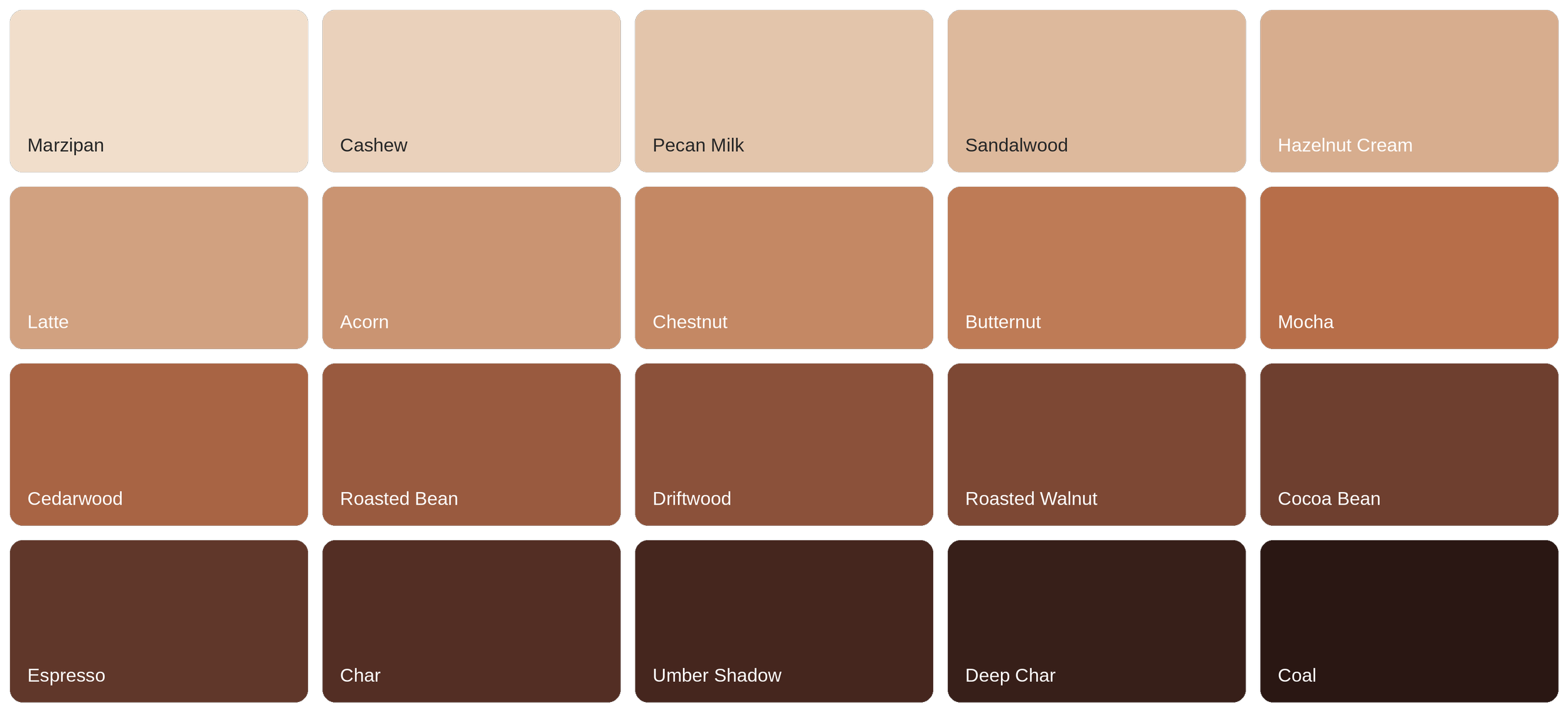
MUTED is Vivid's quieter sibling. Similar golden-warm base tone, but turned down to softer, dustier, settled-in hues.

INDIGO belongs here because dark skin can carry a genuine cool, blue-black sheen, a quality most skin color systems skip entirely or reduce to an afterthought. Our five-step gradient of near-black shades with violet and blue undertones completes the Skin Tones Collection.
Together, the five families represent five different moods of warmth (and one deliberate step into cool) giving you a genuine range of human skin colors to mix and match at your leisure, with creativity and ease.
A shade for everyone
Researching the Skin Tones evolution in the wider culture, we found ballet to be just one thread in a much bigger story. Once you start looking, the search for a truer Skin Tone shows up almost everywhere design touches the body.
Crayola has been quietly rewriting this story since 1962, when it renamed its "Flesh" crayon to "Peach," acknowledging that skin came in more than one color. Thirty years later, in 1992, the company partnered with educators and civil rights groups to release its first Multicultural Crayons — eight shades built from its standard palette. By 2020, that idea had grown into Colors of the World: 24 crayons, colored pencils, and markers built from three base hues (Almond, Golden, and Rose) and designed, with input from a Crayola color scientist, to actually match real skin.
Fashion caught up more slowly. In 2013, Christian Louboutin launched his Nudes collection — five shoe shades meant to give women of every skin tone the same "invisible," leg-lengthening line dancers had gotten from pink satin for a century. Louboutin has said the idea only became personal when a colleague told him plainly: "Beige is not the color of my skin." The collection has since grown to eight shades and now lives in the permanent design collection at London's V&A museum — proof that a shoe shade can be a genuine design landmark, not just a product line.
Beauty had its own reckoning in 2017, when Rihanna's Fenty Beauty launched with 40 foundation shades at once, at a moment when most competitors offered fewer than 20. The range didn't just add options at the margins — it put deep shades at the center of the launch, not the edge. Foundation lines across the industry expanded within a year.
Even first aid caught on. In 2020, Band-Aid began producing bandages in a range of brown and black shades, following years of work by smaller brands like Tru-Colour — founded in 2014 by an adoptive father who wanted his son to see his own skin reflected in something as ordinary as a bandage.
And in craft, quilters have been solving this problem by hand for decades. Portrait quilters building a face in fabric will typically work with dozens of gradations of a single skin tone — piecing together the subtle shifts in warmth and value a photograph shows, the same way a painter mixes on a palette, just in cloth.
Every one of these fields asked the same question: how can "nude" ever be just one color?
The Color Club's Skin Tones Collection — 85 shades — is our answer.